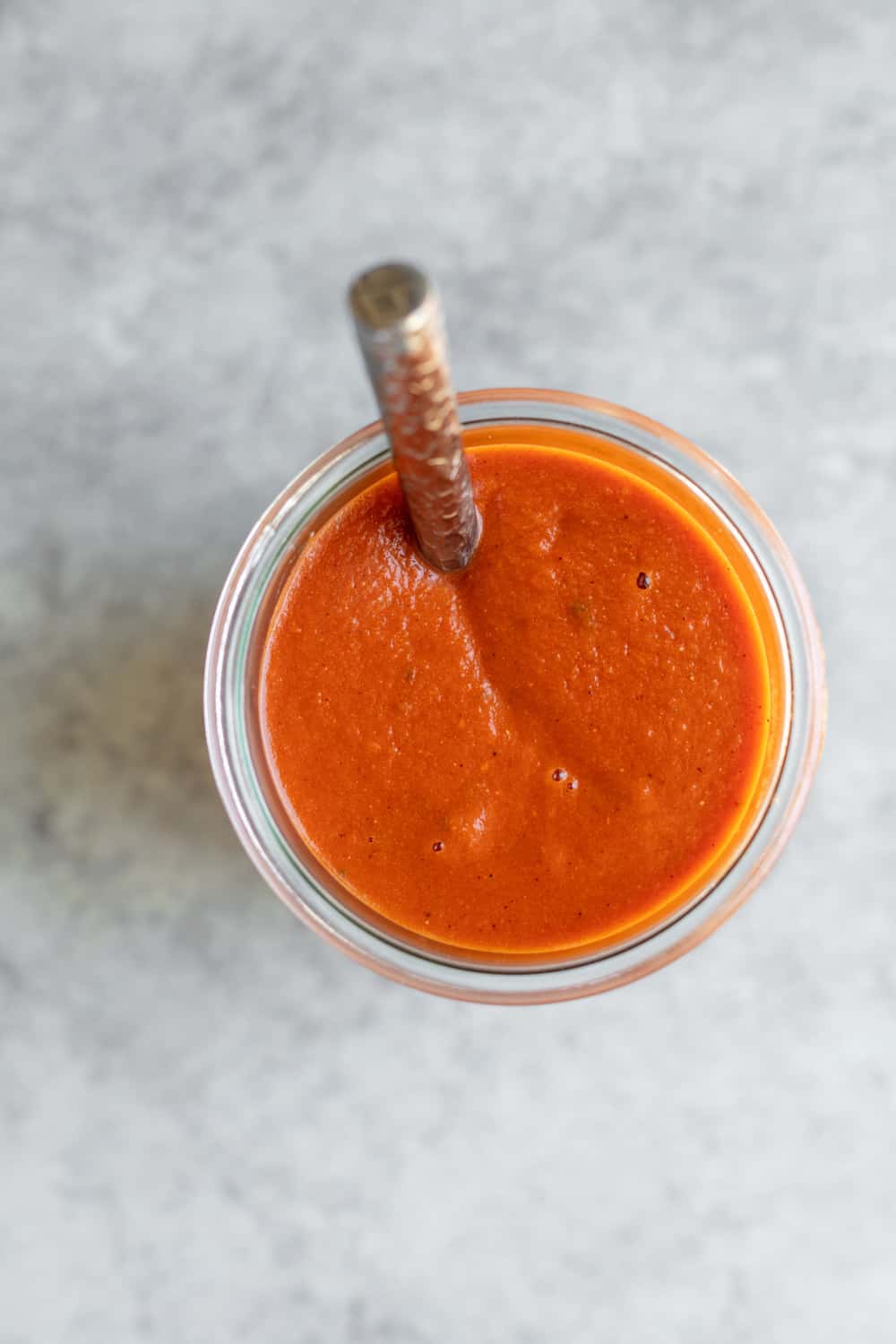
Easy Homemade Enchilada Sauce: Ditch the Can for Authentic Flavor
Tired of the bland, metallic taste of store-bought enchilada sauce? If your homemade enchiladas lack that authentic depth of flavor, the culprit might just be hiding in your pantry – a can of generic sauce. It’s time to unlock a world of richness and complexity with a homemade enchilada sauce that will transform your Tex-Mex dishes. This isn't just another recipe; it's a culinary revelation that promises a silky texture, smoky spices, and a depth of flavor far beyond anything you'll find on a grocery store shelf. And the best part? It’s surprisingly easy to make with simple pantry staples, proving that some homemade efforts are truly worth every minute.
Why Homemade Enchilada Sauce is a Game-Changer
The difference between canned and homemade enchilada sauce is like night and day. Once you experience the authentic taste and superior texture of a sauce made from scratch, you'll wonder why you ever settled for less. This isn't just about avoiding preservatives; it's about elevating your cooking to a new level.
The Unbeatable Flavor Difference
Canned enchilada sauce often tastes one-dimensional, sometimes even a little tinny. It lacks the vibrant, layered flavors that are the hallmark of good Mexican cuisine. Homemade
enchilada sauce, on the other hand, boasts a rich, earthy profile. The magic begins with a carefully cooked roux, forming a smooth, velvety base. This foundation is then infused with smoky chili powders, pungent cumin, and other aromatic spices that are toasted to release their full potential. The result is a sauce that not only coats your enchiladas beautifully but also saturates them with a heartwarming, deeply satisfying flavor that simply cannot be replicated by mass-produced alternatives. It adds a gourmet touch to everyday meals, turning a simple weeknight dinner into a memorable feast.
Control Over Ingredients
One of the most significant advantages of making your own enchilada sauce is having complete control over what goes into it. Store-bought versions often contain artificial colors, preservatives, excessive sodium, and fillers. With homemade, you dictate the quality of ingredients, ensuring a healthier and more natural product. This means you can:
* **Adjust sodium levels:** Perfect for those monitoring their salt intake.
* **Avoid artificial additives:** Say goodbye to unwanted colors or flavor enhancers.
* **Cater to dietary needs:** Easily make it gluten-free, dairy-free, or vegetarian.
* **Control spice levels:** From mild to fiery, you can tailor the heat to your preference, ensuring everyone at the table enjoys your cooking.
This level of customization not only makes your meals safer and healthier but also more enjoyable, as the sauce is perfectly tuned to your family's palate.
The Simple Secret: Building Your Authentic Enchilada Sauce
The beauty of homemade enchilada sauce lies in its simplicity and the classic techniques that underpin its creation. It’s a process that feels more like alchemy than cooking, transforming basic ingredients into something extraordinary.
Mastering the Roux: The Foundation of Flavor
At the heart of many great sauces, including this enchilada sauce, is the roux. A roux is a mixture of fat (oil, butter, or even lard) and flour, cooked together. For enchilada sauce, the goal is a lightly golden roux that loses the raw flour taste but doesn't become too dark or burnt, which can impart a bitter flavor.
*
Start with Fat: Begin by heating a neutral oil or fat in a saucepan over medium heat.
*
Add Flour: Whisk in all-purpose flour (or a 1-for-1 gluten-free flour blend for a gluten-free option) to create a thick paste.
*
Cook Gently: Continuously whisk this mixture for 2-3 minutes. You’ll notice it gradually change from white to a pale golden color, releasing a subtle, nutty aroma. This step is crucial for flavor and for ensuring a smooth, lump-free sauce. Don't rush it, but also don't walk away – a burnt roux is an instant redo.
The Power of Toasted Spices
Once your roux is ready, it becomes the perfect vehicle for toasting your spices. This step is a game-changer for flavor, as the gentle heat and fat help to "bloom" the spices, intensifying their aroma and deepening their taste profile.
*
Chili Powder: This is your primary flavor builder. Opt for high-quality chili powder, such as New Mexico or Ancho for a rich, earthy base, or use a blend for complexity.
*
Cumin: Adds a warm, slightly earthy, and pungent note that is quintessential to Mexican cuisine.
*
Other Aromatics: Garlic powder, onion powder, and a pinch of dried oregano (Mexican oregano, if you have it) will round out the flavor beautifully.
Stir these spices directly into the hot roux and cook for about 30 seconds to a minute, until fragrant. Be careful not to burn them, as this can make them bitter. The aroma will instantly tell you when they are ready.
Bringing it All Together: Liquid and Consistency
With the roux and spices perfectly prepped, it's time to transform them into a smooth, cohesive sauce.
*
Add Liquid: Gradually whisk in cold water or broth (chicken or vegetable broth works wonderfully). Adding cold liquid to a hot roux helps prevent lumps. Keep whisking continuously as you pour to ensure a silky-smooth consistency.
*
Simmer to Thicken: Bring the sauce to a gentle simmer, stirring occasionally. As it heats, it will naturally thicken.
*
The "Spoon Test": To test for ideal thickness, dip a spoon into the sauce. If it coats the back of the spoon, leaving a clear path when you draw your finger across it, your sauce is perfect. If it's too thick, add a little more liquid; if too thin, let it simmer a bit longer.
*
Season to Taste: Finish with salt and pepper. A tiny pinch of sugar can also help balance the acidity and enhance the overall flavor profile.
Customizing Your Enchilada Sauce: Make It Your Own
One of the great joys of homemade enchilada sauce is its adaptability. You can easily modify the base recipe to suit your personal preferences or specific dish requirements.
Tailoring Texture and Taste
*
Creamy Style: For a richer, milder sauce, stir in ½ cup of heavy cream or a dollop of sour cream at the very end. This adds a luxurious texture and mellows the spice.
*
Smoky Kick: If you love a deeper, smokier flavor, incorporate chipotle chili powder or a touch of smoked paprika along with your regular chili powder. A small amount of ancho chile powder can also add a complex, fruity smokiness.
*
Tomato-Based Tang: While primarily a roux-based sauce, adding a tablespoon of tomato paste, cooked into the roux with the spices, can introduce a subtle tang and deeper richness, mirroring some popular regional variations.
*
Gluten-Free Option: As mentioned, use a 1-for-1 gluten-free flour blend for the roux. Alternatively, for a completely grain-free option, you can thicken the sauce with a cornstarch slurry (1 tbsp cornstarch dissolved in 2 tbsp cold water, whisked into the simmering sauce until thickened).
*
Heat Level: For extra heat, add a pinch of cayenne pepper, a dash of your favorite hot sauce, or a finely minced Serrano or jalapeño pepper (sautéed with the oil before adding flour).
Beyond Enchiladas: Versatile Uses for Your Homemade Sauce
While its name suggests a singular purpose, homemade enchilada sauce is incredibly versatile. Once you have a batch ready, you’ll find endless ways to incorporate its rich flavor into various dishes. It's truly a secret weapon in the kitchen. For a deeper dive into its myriad applications, check out
Mastering Homemade Enchilada Sauce: Beyond Just Enchiladas.
*
Classic Enchiladas: Of course, it's perfect for smothering beef, chicken, cheese, or veggie enchiladas.
*
Casseroles: Use it as the flavorful base for enchilada casseroles, tamale pie, or any layered Tex-Mex bake.
*
Soups and Stews: Stir a generous amount into creamy chicken enchilada soup, slow cooker chili, or any Tex-Mex inspired stew for instant depth and character.
*
Tacos, Burritos & Nachos: Drizzle it generously over your favorite tacos, burritos, or beef nachos to amplify their flavor. It’s also fantastic on burrito bowls.
*
Dipping Sauce: Serve it warm as a dipping sauce for chips, empanadas, or quesadillas.
*
Breakfast & Brunch: A smoky drizzle over scrambled eggs, breakfast burritos, or even huevos rancheros adds an unexpected kick.
*
Unique Creations: Use it to make a quick and easy Mexican pizza (Taco Bell copycat style!) or stir into taco salads for an extra layer of taste.
Practical Tips for Success
To ensure your homemade enchilada sauce turns out perfectly every time, keep these practical tips in mind:
* **Don't Rush the Roux:** Cooking the flour long enough is key to eliminating the raw flour taste and developing a nutty flavor. However, avoid burning it; a light golden color is ideal.
* **Whisk Vigorously:** When adding the liquid, continuous and vigorous whisking is paramount to achieving a lump-free, smooth sauce.
* **Taste as You Go:** Seasoning is personal. Start with less salt and add more gradually, tasting after each addition until it’s just right.
* **Store Smart:** Leftover sauce can be refrigerated in an airtight container for up to 5-7 days. For longer storage, freeze it in small, portion-sized containers or ice cube trays. This makes it incredibly convenient for quick weeknight meals.
Conclusion
Once you’ve experienced the rich, authentic flavor of homemade enchilada sauce, you’ll understand why ditching the can is not just a preference, but a necessity for true Tex-Mex perfection. This easy-to-make sauce, built on a silky roux and infused with toasted, aromatic spices, elevates every dish it touches. It’s a flexible, flavorful foundation that offers complete control over ingredients and endless customization possibilities. Whether you're making it mild or fiery, traditional or creamy, this homemade enchilada sauce is more than just an ingredient; it's a comforting, deeply satisfying addition to your culinary repertoire that promises to turn ordinary meals into extraordinary experiences. Give it a try – your taste buds will thank you!